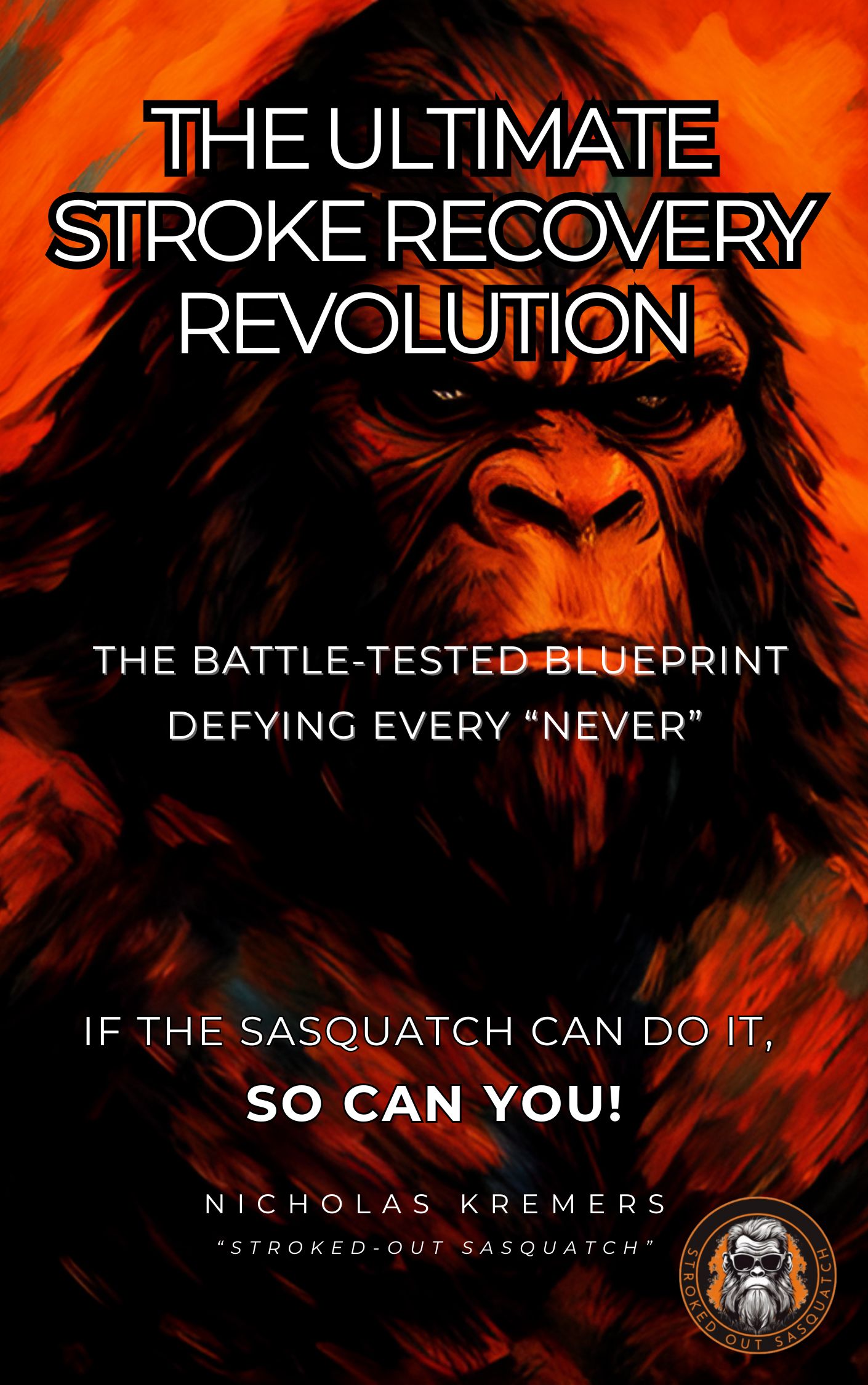
How to use The Ultimate Stroke Recovery Revolution as a 90-day recovery plan
A recovery book is most useful when it gives you one safe action for today—not a reason to try to do everything at once.
Key Takeaways
- Start with one chapter and one safe action rather than attempting a complete overhaul.
- A 90-day plan works best when it includes rest, clinician input, and a way to notice small changes.
- Caregivers can support structure without taking over the survivor’s goals or pace.
- The book is survivor-led guidance, not a substitute for medical care or individualized rehabilitation.
Last reviewed: 2026-08-21
2 min read · 396 words
Medically reviewed by SRA clinical advisory team
What this book is designed to do
The Ultimate Stroke Recovery Revolution is a survivor-built manual for the part of recovery that often gets less structure after discharge: showing up consistently. It brings together daily practice, mindset, recovery equipment, and the long-game perspective that helps a survivor stay engaged when progress is uneven.
It is not a diagnosis, a prescription, or a promise that everyone will recover in the same way. Use it as a practical framework, then adapt every exercise, goal, and schedule with the professionals who understand your health history and current abilities.
Build a 90-day plan from the book
The strongest way to use the book is to choose one priority for the next 90 days: hand use, walking confidence, speech practice, endurance, fatigue management, or a safer home routine. A single priority makes it easier to choose a few meaningful actions instead of collecting a long list of things you “should” do.
Break the 90 days into three simple phases. The first month is for creating a safe baseline and learning what your energy allows. The second month is for repeating the actions that are working and making small, clinician-approved progressions. The third month is for reviewing what changed, keeping what is sustainable, and choosing the next focus.
- Daily: one planned practice block and one brief check-in about fatigue, pain, mood, or function
- Weekly: review what felt safe, what was too much, and one question to bring to therapy or a medical appointment
- Monthly: compare your current ability with your own starting point—not someone else’s timeline
Use the book-and-template bundle without burning out
The companion template is intentionally simple: a daily check-in, a weekly review, and a place to name the next realistic action. It is there to make the book usable in ordinary life, not to turn recovery into a test you can fail.
If symptoms worsen, new neurological symptoms appear, you develop chest pain, shortness of breath, dizziness, or unusual pain, stop and seek appropriate medical guidance. The best plan is one that protects safety and leaves enough energy to return tomorrow.
A caregiver’s role in the plan
Caregivers can make the plan easier to keep by helping remove friction: setting out equipment, protecting a practice time, writing down questions, and celebrating effort. The goal is support, not pressure. Ask the survivor what kind of reminder or help feels useful before stepping in.
A good plan respects consent, fatigue, and independence. The survivor gets to decide which goal matters most and when a goal needs to change.
Frequently asked questions
Can a stroke recovery book replace therapy?
No. A book can offer structure and survivor perspective, but it cannot assess safety, diagnose a problem, or replace individualized care from your medical and rehabilitation team.
What is the 90-day recovery template?
It is a simple companion structure for daily check-ins, weekly reviews, and choosing the next realistic recovery action alongside the ideas in the book.
Is this plan appropriate right after discharge?
Start only with the activity and restrictions your care team has cleared. Early recovery priorities can include medical stability, rest, and formal therapy rather than adding more activity.
Can caregivers use the template too?
Yes. It can help a caregiver prepare questions, notice patterns, and support consistency while keeping the survivor in charge of their own goals.
The Stroke Recovery Revolution
Nicholas Kremers’ battle-tested blueprint for defying every “never” after stroke, available in Kindle and paperback editions.
Get the book on AmazonPrefer the Academy edition?
Choose the Academy’s digital or print edition, read the free sample, and open the companion tools that turn the book into a 90-day practice.
Choose your Academy editionStart your recovery free.
Daily routine. AI coach. 66-day challenge. Built by a survivor for survivors.
Create free account