For stroke survivors who are done waiting on someone else to save them.
You had the stroke. You woke up. The hospital sent you home with a binder. Now what? Here is the playbook nobody hands out.
Last reviewed: 2026-07-28
3 min read · 615 words
Medically reviewed by SRA clinical advisory team
You are not broken. You are early.
Most stroke survivors get told the same lie in slightly different words: "this is your new normal." It is not your new normal. It is your worst day. There is a giant difference between those two sentences.
You had a brain attack. Cells in one zone died. The hospital saved your life — they are good at that. What they are bad at is the next 5 years. Insurance pays for somewhere around 30 days of inpatient rehab and then the door closes. After that, you are the head of your own recovery program. Whether you knew you signed up for that job or not.
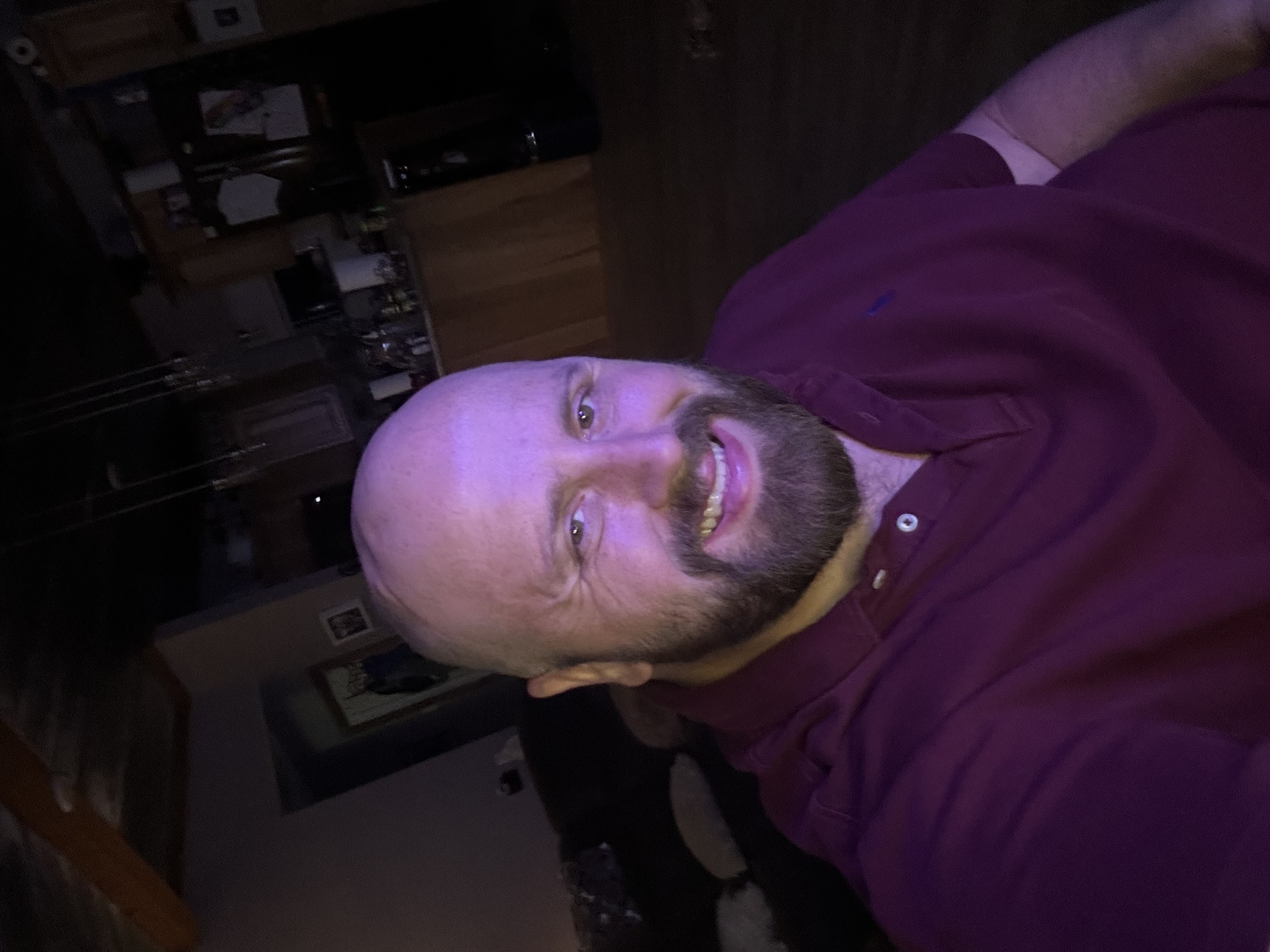
Stroke Recovery Academy exists because Nick Kremers had the same stroke you had and refused to accept the binder. Seven years and three thousand hours of self-directed training later, he is at 90% recovery on what doctors thought would be a wheelchair-permanent left side. Same brain attack. Different decision.
What you actually get when you sign up
This is not a content library. It is an operating system. The second you create an account you get a personalized daily routine, an AI recovery coach trained on Nick's playbook, and a streak tracker that does not care what your therapist said in 2023. It cares what you did today.
- Recovery University — 7 parts, 33 chapters. The doctrine.
- Daily Routine system — 5 levels, automatically calibrated to where you are.
- 66-Day Challenge — the transformation arc that turns a survivor into a Sasquatch.
- Sasquatch Coach — a 24/7 AI companion built on Nick's voice.
- Survivor community — real survivors. Not a Facebook group full of well-meaning relatives.
- Recovery Center Finder — to bridge the gap when you need real human help.
Who this is for, and who it is not for
This works for ischemic survivors, hemorrhagic survivors, TIA survivors, brainstem stroke survivors, and post-CABG stroke survivors. It works at month 1 and at year 30. The decision is whether you are willing to put in 30-90 minutes a day on average.
This is not for people who want pity. There are entire forums for that and they are free. This is for people who want their life back and are willing to do the boring, repetitive, sometimes humiliating work it takes to rewire a brain. If that is you, the door is open.
What "doing the work" actually looks like
The work is not heroic. It is small, daily, and embarrassing. It is the same finger-curl 80 times in a row while you watch the news. It is saying the same word out loud 100 times because the speech pathologist said so. It is putting weight on a leg that does not want it. It is the third walk of the day when you would rather sit down forever.
Neuroplasticity is the science behind why this works. Repetition + intensity + specificity creates new neural pathways around the dead zone. The brain does not need the dead tissue back. It needs new wiring through the live tissue you still have. The Sasquatch Method gives you the protocol; you supply the reps.
Cost, time, and what makes this different
The free tier gets you the daily routine, the streak tracker, the first week of the 66-day challenge, and the AI coach with daily limits. That is enough to know whether this is for you. The Champion tier unlocks the full curriculum, unlimited AI, and the survivor community. There are also caregiver seats, scholarship seats for survivors who cannot pay, and a translation system covering 19 languages.
What makes this different from every other stroke resource on the internet is that it was built by someone who actually had the stroke. Not a doctor with a content team. Not a hospital marketing department. A guy who spent two years thinking he was going to die in a wheelchair and then decided he was not.
Frequently asked questions
Is this safe if I just had a stroke?
Talk to your medical team before adding any program. Stroke Recovery Academy is an educational and motivational platform, not medical care. The exercises and protocols are widely recognized but should be cleared by your physiatrist or therapist first.
How long until I see progress?
Most survivors who follow the daily routine 5+ days a week report measurable improvement in 4-8 weeks — usually in grip strength, gait, or speech endurance. Major motor gains often take 3-6 months. Recovery is non-linear; expect setbacks.
I am 5+ years post-stroke. Is it too late?
No. Neuroplasticity works at any age and any time post-stroke. The plateau most survivors hit is a stimulus plateau, not a brain plateau. Change the stimulus, the brain responds.
Do I need any equipment?
No. The base routine uses only your body, a chair, and a wall. Optional add-ons (resistance bands, a small ball, a TENS unit) help but are not required.
I cannot afford it. Can I still join?
Yes. The free tier covers the essentials. We also run a Survivor Scholarship program funded by donors so any survivor who needs full access can request it.
Start your recovery free.
Daily routine. AI coach. 66-day challenge. Built by a survivor for survivors.
Create free account