A between-session program your stroke patients will actually do.
You write the home exercise plan. They go home and do 14% of it. Stroke Recovery Academy is the operating system that closes the gap.
Last reviewed: 2026-07-28
2 min read · 358 words
Medically reviewed by SRA clinical advisory team
The compliance gap
The literature on home exercise program adherence in stroke is brutal. Various studies put compliance at 12-35% by week 8. Without compliance, the gains you build in your hour-a-week clinic visit evaporate by Friday. You already know this.
Stroke Recovery Academy is not a clinical replacement and does not pretend to be. It is the connective tissue between sessions: a survivor-voiced daily routine, a streak tracker, an AI coach that nudges, and a curriculum that explains the "why" so patients buy in instead of going through the motions.
How the platform maps to your protocols
The Sasquatch Method is built around four pillars that align with established stroke rehabilitation practice: high-repetition task-specific training, intensity progression, bilateral integration, and constraint-induced movement principles. The Daily Routine engine assigns levels (1-5) that you can map to your patient's functional stage.
The exercise library covers gait, fine motor, gross motor, balance, vision, swallowing, and speech endurance. Each exercise has a written cue, a video, a target rep range, and a survivor-tested "why this matters" framing. Patients can log completion; you can request access to their summary in the consent flow.
The behavioral architecture
Compliance is a behavior problem, not an information problem. Most home programs fail because they are a printed PDF with no feedback loop. The platform installs three behavioral hooks proven to increase adherence: a daily streak (loss aversion), a community check-in (accountability), and a coach voice that survivors recognize as one of their own (peer authority).
How to recommend it to a patient
Most clinicians give the URL at discharge or at the third visit. The most effective frame is "this is the system I want you using on the days I do not see you." Pair it with one specific exercise from the library that maps to a goal on their plan of care. That single hand-off doubles uptake compared to a generic "check this out."
Cost, privacy, and clinician accounts
A clinician account is free. Patients sign up under their own free account; you do not see their data unless they share it. Survivor Scholarship covers patients who cannot afford the paid tier. The platform is HIPAA-aware: it does not store PHI, does not function as a medical record, and is positioned as patient education and motivation, not care.
Frequently asked questions
Is this a CPT-billable resource?
No. It is a between-session education and adherence platform, not a billable service. It supports your billable services.
Can I customize the routine for my patient?
Patients can customize. Direct clinician overrides are on the roadmap. For now, you can recommend specific exercises by linking to them.
Does it replace therapy?
No. It is built to extend therapy, not replace it. Every page surfaces the Center Finder so patients can locate clinical care.
Who built it?
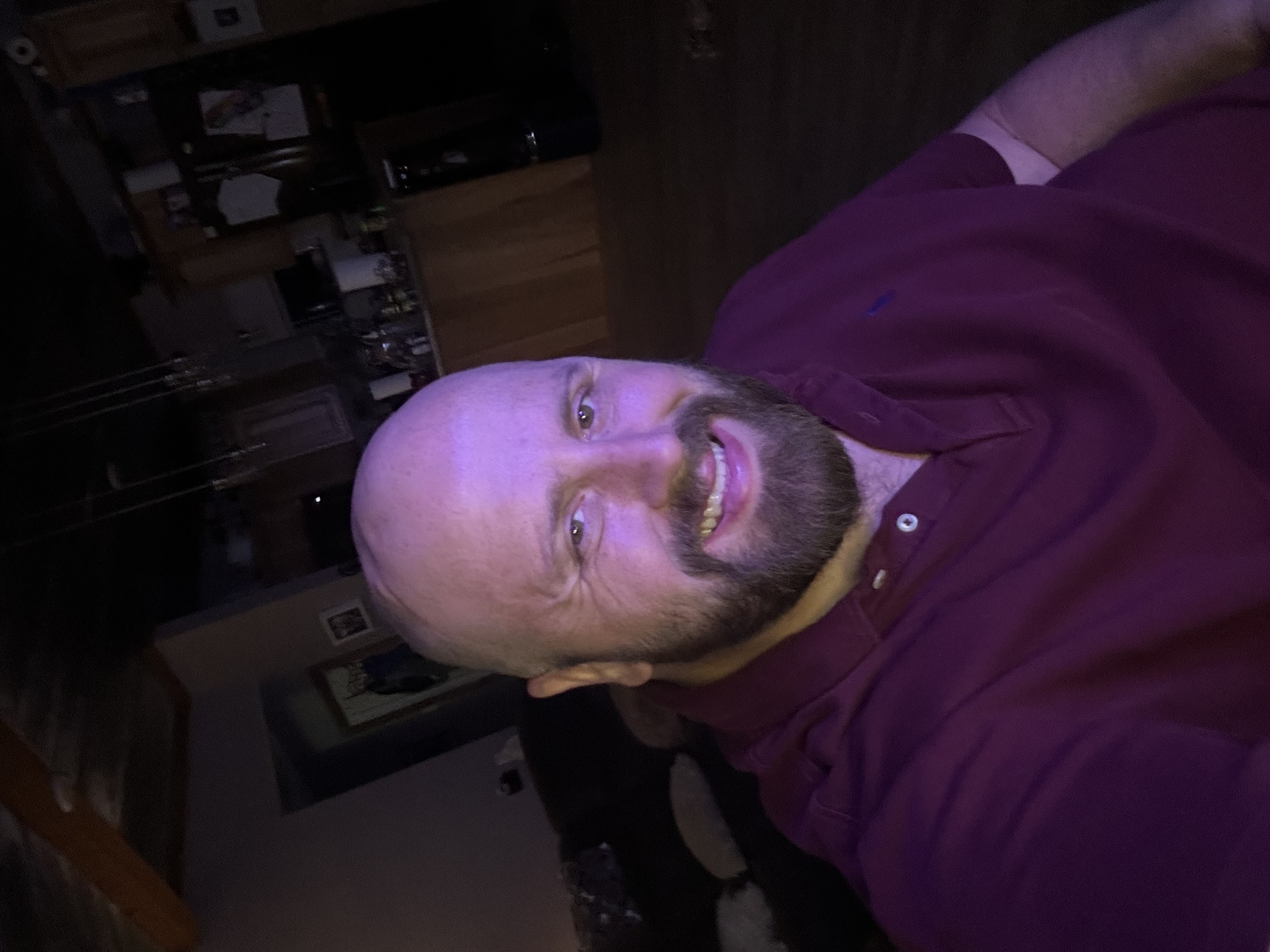
Nick Kremers, a 7-year stroke survivor at 90% recovery. The Sasquatch Method draws on his lived experience plus the established rehabilitation literature. It is not a substitute for clinical judgment.
How do I sign up?
Create a free account at the link above and email support to request the clinician flag. We are still building out clinic dashboards; reach out if you want early access.
Start your recovery free.
Daily routine. AI coach. 66-day challenge. Built by a survivor for survivors.
Create free account