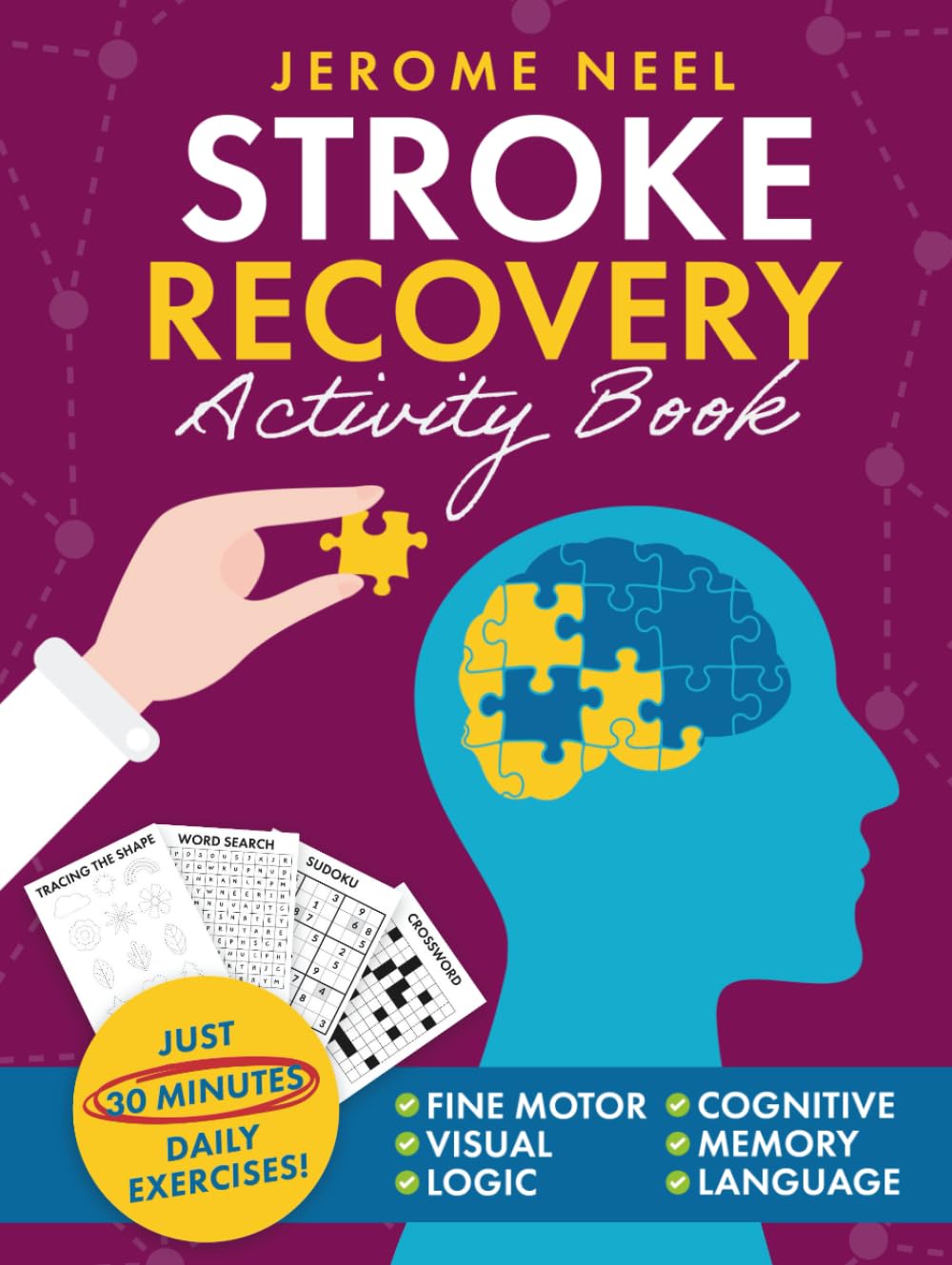
Stroked-Out Sasquatch: the recovery book I wish I had first
Recovery is not a slogan. It is the ordinary, stubborn work of building a life after your brain changes. This is the book behind that approach.
Key Takeaways
- This is a survivor-led blueprint, not a replacement for medical or rehabilitation care.
- The useful idea is consistency: small, repeatable reps beat occasional heroic sessions.
- Caregivers can use the framework to support practice without turning the home into a clinic.
- The right goal is the next measurable improvement, not a promise of a guaranteed outcome.
Last reviewed: 2026-08-21
2 min read · 383 words
Medically reviewed by SRA clinical advisory team
What the book is really about
Stroked-Out Sasquatch: Rewiring the Brain, Rebuilding the Body, and Reclaiming Your Life is written from the survivor side of the hospital bed. Its central question is practical: once formal therapy is no longer filling every day, how do you keep showing up for recovery?
The answer is not a magic exercise or a claim that every survivor will recover the same way. It is a framework for turning intention into repeatable practice: choose a safe target, do useful repetitions, notice what changed, and return tomorrow.
Who may find it useful
A survivor who feels abandoned after discharge may appreciate the direct tone and the reminder that a slower phase is still a phase. A caregiver may use the chapters as conversation starters for goals, routines, and the kind of help that preserves independence.
It may not suit someone looking for a diagnosis, a personalized therapy protocol, or a substitute for an occupational, physical, speech, or medical professional. The book is a map for persistence, not a clinical prescription.
- Useful for survivors building a home routine after formal therapy
- Useful for caregivers who want survivor-led language and realistic encouragement
- Not a substitute for a clinician, emergency guidance, or an individualized plan
How to use a recovery book without overdoing it
Read one idea, then translate it into one safe action. Keep the action specific: five minutes of supported reaching, a short language practice, or a written log of fatigue. Ask your clinician whether the activity fits your current strength, balance, vision, and swallowing status.
A good recovery system leaves room for rest. Pain, new neurological symptoms, unusual shortness of breath, chest pain, or a sudden change in function are reasons to stop and seek appropriate medical help—not reasons to push harder.
The survivor-led standard
Nick’s voice is blunt because stroke recovery can be lonely and full of low expectations. The strongest parts of this approach are the insistence on dignity, measurable practice, and long-term hope without pretending the hard parts disappear.
Read it critically. Keep what helps, adapt what does not, and bring questions to your care team. Your recovery is yours; a book should give you agency, not take away your judgment.
Where it fits in the bigger recovery system
The book works best alongside medical follow-up, therapy, sleep and mood support, safe equipment, and a way to track small wins. Pair the mindset work with the practical guides in this cluster and with the survivor-tested Recovery Store.
Frequently asked questions
Is Stroked-Out Sasquatch medical advice?
No. It is survivor-led recovery and mindset guidance. Ask your doctor or therapist before changing exercises, equipment, medication, or activity.
Is this book for a new stroke survivor?
It can be a hopeful companion, but acute recovery needs take priority. Follow the hospital and rehabilitation team’s instructions first.
Does the book promise a full recovery?
No responsible book can promise that. It focuses on agency, consistent practice, and building the best life possible with your care team.
Can caregivers read it too?
Yes. Caregivers may find the survivor perspective useful for supporting practice while respecting fatigue, consent, and independence.
Stroked-Out Sasquatch
Nick Kremers’ survivor-led blueprint for rebuilding the brain, body, and life after stroke.
Get the book on AmazonBuild the routine around the ideas
Use the Sasquatch Method and Daily Routine to turn inspiration into safe, repeatable practice.
See the Daily RoutineStart your recovery free.
Daily routine. AI coach. 66-day challenge. Built by a survivor for survivors.
Create free account