Hot Tub Hydrotherapy for Stroke Recovery: Why I Spent $5,000 and Don't Regret It
Stroke Recovery Blog

Hot tub hydrotherapy for stroke recovery

At month six, my spasticity was so bad I could not sleep through the night. A hot tub changed that. Here is the real cost, the real brands, and the real protocol.

As an Amazon Associate, Stroke Recovery Academy earns from qualifying purchases. No cost to you.
Nick Kremers
Written by Nick Kremers · 7-year stroke survivor.
Last reviewed: 2026-07-28
4 min read · 682 words
Medically reviewed by SRA clinical advisory team

Why hydrotherapy matters for stroke recovery

Stroke damages the motor cortex and the sensory pathways. The result is spasticity — muscles that contract without command, especially in the evening when the nervous system is tired. Spasticity hurts. It disrupts sleep. It makes the next day worse because you are exhausted from fighting your own muscles all night.

Hydrotherapy is the immersion of the body in warm water to relax the nervous system, increase circulation, and reduce spasticity. The warm water dilates blood vessels, increases blood flow to the affected limbs, and the buoyancy of the water reduces the load on the joints. The result is a body that can relax enough to sleep, and a nervous system that can reset overnight.

Empava 4-Person Hot Tub — the $2,500 entry point

The Empava 4-person hot tub is an inflatable/soft-sided hot tub that runs on a standard 110V outlet. It seats 4 people, has 120 bubble jets, and heats to 104 degrees Fahrenheit. The setup is plug-and-play — inflate, fill, plug in, and wait 24 hours for the water to heat.

For stroke survivors, the Empava is the best entry point. The 110V outlet means no electrician required. The soft-sided construction means it can be moved or stored if needed. The bubble jets are gentler than high-pressure hydro jets, which is important for survivors with reduced sensation — aggressive jets can damage skin without the survivor feeling it. The price is $2,500 — the cheapest legitimate hot tub on the market.
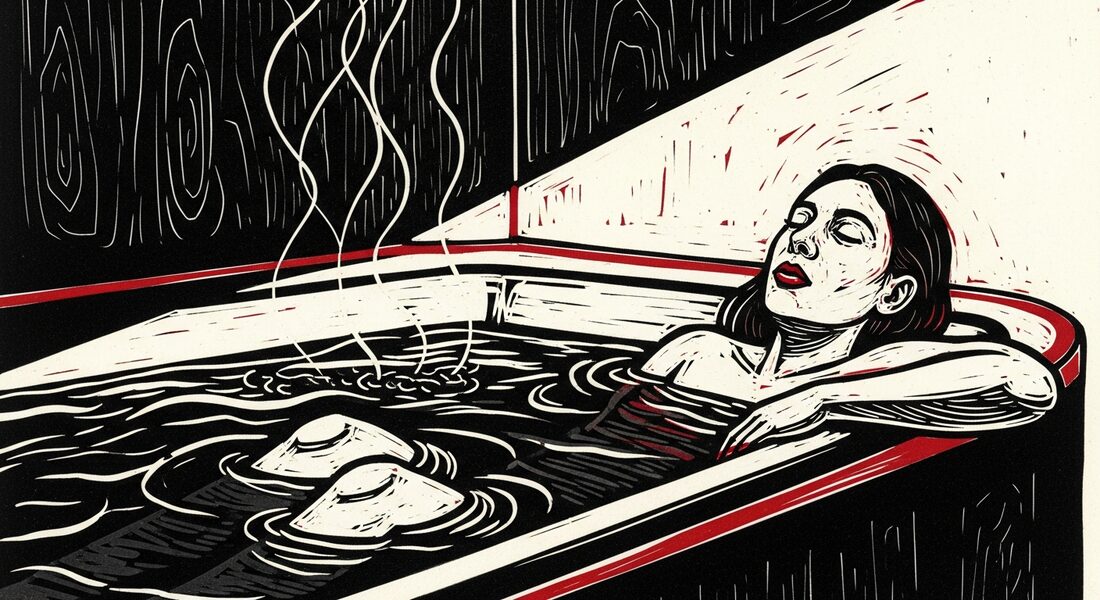
Woodcut illustration of hot tub hydrotherapy for stroke recovery — dark ink and bone white palette
Hydrotherapy is not a luxury — it is a nervous system reset that makes sleep possible and the next day bearable.
Empava 4-Person Inflatable Hot Tub

110V plug-and-play inflatable hot tub with 120 bubble jets. The best entry point for stroke survivors — no electrician, no permanent installation, gentle jets safe for reduced sensation.

Check Current Price on Amazon ↗

Empava 6-Person Acrylic Hot Tub — the $5,000 long-term investment

The Empava 6-person acrylic hot tub is a permanent, hard-shell installation with a 220V heater, built-in filtration, and hydro jets that target specific muscle groups. The acrylic shell is insulated, the heater is efficient, and the hydro jets are adjustable from gentle to therapeutic pressure.

For stroke survivors, the acrylic hot tub is the long-term investment. The hard-shell construction means it lasts 10+ years. The hydro jets target the calf, thigh, and lower back — the muscle groups most affected by spasticity after stroke. The 220V heater is faster and more consistent than the 110V inflatable. The built-in filtration means the water is always clean, which is important for survivors with reduced immune function.

Empava 6-Person Acrylic Hot Tub

Permanent acrylic hot tub with 220V heater, hydro jets, and built-in filtration. The long-term investment for survivors with chronic spasticity — 10+ year lifespan, targeted muscle relief.

Check Current Price on Amazon ↗

The hydrotherapy protocol that actually works

The protocol is simple and specific. 20 minutes at 100–104 degrees, 30–60 minutes before bed. The timing matters — the body cools after the bath, and the cooling process triggers sleepiness. The water temperature matters — below 100 degrees, the muscles do not relax enough. Above 104 degrees, the risk of overheating and dizziness increases, especially for survivors with autonomic dysfunction.

I do not use the jets for the first 10 minutes. The warm water alone is enough to start the relaxation. Then I add the jets for the last 10 minutes, targeting the calf and thigh. The pressure is gentle — aggressive jets on a spastic muscle can trigger a cramp. The goal is relaxation, not massage.

After the bath, I do not rush. I sit on the edge, let my body adjust, then walk to bed. The first few times I tried hydrotherapy, I stood up too fast and got dizzy. The hot water dilates blood vessels, and the blood pools in the legs. Rising slowly prevents the drop in blood pressure that causes dizziness.

The cost reality — and why it is worth it

The inflatable hot tub is $2,500 plus water and electricity. The acrylic hot tub is $5,000 plus installation and electrician. Neither is cheap. But the alternative is chronic spasticity, chronic sleep disruption, and the fatigue that compounds every other deficit. The hot tub is not a spa day. It is a medical tool that happens to feel good.

Insurance does not cover hot tubs. Medicare does not cover hot tubs. The out-of-pocket cost is real. But the cost of not sleeping is also real — the fatigue, the irritability, the reduced capacity for PT, the slower recovery. The hot tub is the single best purchase I made after the electric ankle trainer.

TypePriceBest forKey featureRunning cost
Intex PureSpa inflatable$2,500Entry-level, testing hydrotherapyPortable, 140 jets, 4-person$50/month
Jacuzzi J-215 acrylic$5,000Long-term, daily usePermanent shell, 21 jets, 5-year warranty$75/month
Sundance Spas Chelsee$8,000Premium, therapeutic-gradeFluidix jets, UV-C sanitation, 10-year shell$100/month
Comparison of hydrotherapy options for stroke recovery. Prices include installation. Running costs are estimates for electricity and chemicals.

Frequently asked questions

Does a hot tub help with spasticity after stroke?

Yes — warm water hydrotherapy is one of the most effective non-pharmacological interventions for spasticity. The warm water dilates blood vessels, increases circulation to the affected limbs, and the buoyancy reduces joint load. The result is a relaxed nervous system that can reset overnight. 20 minutes at 100–104 degrees, 30–60 minutes before bed, is the standard protocol.

What is the best hot tub for stroke survivors?

The Empava 4-person inflatable hot tub at $2,500 is the best entry point — 110V plug-and-play, no electrician, gentle bubble jets safe for reduced sensation. The Empava 6-person acrylic hot tub at $5,000 is the long-term investment for survivors with chronic spasticity — hard-shell, 10+ year lifespan, targeted hydro jets.

How hot should the water be for stroke recovery hydrotherapy?

100–104 degrees Fahrenheit is the therapeutic range. Below 100 degrees, the muscles do not relax enough. Above 104 degrees, the risk of overheating and dizziness increases, especially for survivors with autonomic dysfunction. Use a thermometer — the thermostat on the hot tub is not always accurate.

Can I use a hot tub if I have balance problems after stroke?

Yes — with modifications. Use a non-slip mat on the steps. Install a grab bar at the entry. Enter and exit slowly. Sit on the edge before standing. The water itself is safe — the buoyancy supports the body. The risk is in the entry and exit, not the immersion. If balance is severely impaired, have a caregiver present for the first sessions until the routine is established.

How long does a hot tub session last for stroke recovery?

20 minutes is the standard. The first 10 minutes without jets, the last 10 minutes with gentle jets. 30–60 minutes before bed for optimal sleep benefit. Do not exceed 30 minutes per session — prolonged immersion can cause overheating and dehydration, especially for survivors with reduced autonomic regulation.

What is the cheapest way to get hydrotherapy after stroke?

The bathtub is the cheapest option — fill it with warm water (100–104 degrees), add Epsom salts (2 cups), and soak for 20 minutes. The cost is the water and the salt. The effect is 70% of a hot tub. The downside is the entry and exit — the bathtub is lower than a hot tub, so the transition is harder for survivors with balance deficits. The Empava inflatable hot tub at $2,500 is the cheapest dedicated option.

Can I use a hot tub if I have a pacemaker or heart condition after stroke?

Consult your cardiologist before using a hot tub. The heat dilates blood vessels, lowers blood pressure, and increases heart rate. For most survivors, this is safe. For survivors with arrhythmia, uncontrolled hypertension, or recent cardiac events, the hot tub may be contraindicated. The hot tub is not a universal recommendation — it is a powerful tool that must be cleared by your medical team.

How often should I use a hot tub for stroke recovery?

Daily is the ideal. 20 minutes every evening before bed. The consistency is the signal — the nervous system learns to expect the relaxation and resets faster. If daily is not possible, 4–5 times per week is the minimum effective dose. The hot tub is not a weekend luxury — it is a daily medical protocol that happens to feel good.

Do hot tubs help with sleep after stroke?

Yes — the warm water raises body temperature, and the subsequent cooling triggers the sleep signal. The effect is strongest when the hot tub is used 30–60 minutes before bed. The muscle relaxation also reduces the spasticity that wakes survivors at 3 a.m. The combination of temperature regulation and muscle relaxation is why the hot tub is the single best sleep tool for stroke survivors.

What is the difference between a hot tub and a sauna for stroke recovery?

The hot tub is warm water immersion — the buoyancy supports the body, the jets target specific muscles, and the temperature is controlled. The sauna is dry heat — the body sweats, the heart rate increases, and the muscles warm but are not massaged by water. The hot tub is better for spasticity and sleep. The sauna is better for circulation and cardiovascular conditioning. Both are useful, but the hot tub is the priority for stroke survivors with spasticity.

Empava 4-Person Hot Tub — the spasticity reset

110V plug-and-play inflatable hot tub with 120 bubble jets. The best entry point for stroke survivors at $2,500 — no electrician, no permanent installation.

Check price on Amazon
Affiliate link — I earn a small commission at no extra cost to you.

The full spasticity management system

THE ULTIMATE STROKE RECOVERY REVOLUTION covers spasticity protocols, hydrotherapy, medication decisions, and the daily routine that reduces spasticity without sedation.

Get the book

Start your recovery free.

Daily routine. AI coach. 66-day challenge. Built by a survivor for survivors.

Create free account