Best Adjustable Beds and Wedge Pillows for Stroke Recovery: Sleep, Positioning, and Spasticity
Stroke Recovery Blog

Best Adjustable Beds and Wedge Pillows for Stroke Recovery

How you sleep is part of your rehabilitation. Positioning affects spasticity tone, shoulder integrity, and whether you wake up ready to work or already behind.

As an Amazon Associate, Stroke Recovery Academy earns from qualifying purchases. No cost to you.
Nick Kremers
Written by Nick Kremers · 7-year stroke survivor.
Last reviewed: 2026-07-28
1 min read · 0 words
Medically reviewed by SRA clinical advisory team

Why positioning matters more than most survivors realize

In the acute and subacute phases, my affected arm position overnight made a measurable difference in morning tone. A shoulder left to fall into internal rotation and adduction through eight hours of sleep showed up as tighter, more resistant, and more painful in morning PT. A shoulder properly supported in slight abduction and external rotation showed up ready to work.

The neurological mechanism: prolonged positioning in a shortened muscle length maintains hypertonicity. The inverse — positioning in a lengthened state — has a genuine, if modest, tone-reducing effect over time. This is why occupational therapists give detailed positioning instructions at discharge. Most survivors follow them for two weeks and then revert to whatever's comfortable. Comfortable is often the wrong position for recovery.
InteVision Foam Wedge Pillow — the essential base

InteVision Foam Wedge Bed Pillow

Two-piece adjustable design, removable washable cover. The most PT-recommended wedge for stroke positioning. Versatile for trunk, arm, and leg support.

Check Current Price on Amazon ↗

The InteVision foam wedge is the most prescribed positioning product in stroke OT. The two-piece design — a firm base wedge plus a softer top piece — allows adjustment for trunk elevation (aspiration risk, GERD, breathing) and limb positioning simultaneously. The cover is removable and washable, which matters given the extended daily use.

Use cases: elevating the head of bed 30 degrees for dysphagia or aspiration risk, propping the affected arm in slight abduction during sleep, supporting the affected leg in slight hip abduction and knee flexion to counteract extensor spasticity pattern. Your OT can give you the exact configuration for your specific presentation — what I can tell you is that the InteVision wedge is the right tool for most of those positions.

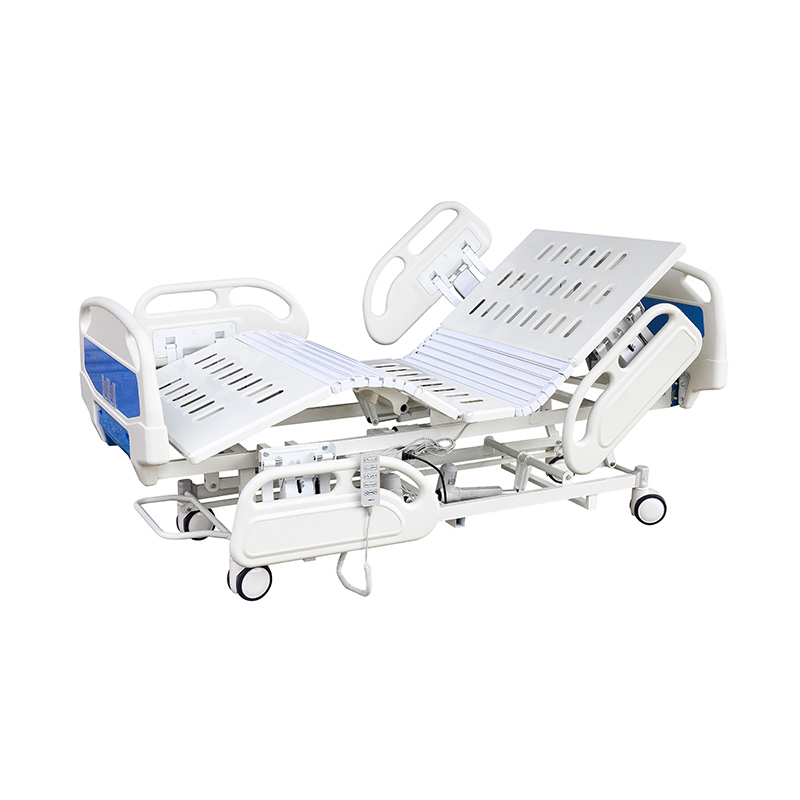
Lucid L300 Adjustable Bed Base — for survivors ready to invest

LUCID L300 Adjustable Bed Base

Independent head/foot elevation, one-handed remote, zero-gravity preset, USB charging. Best value adjustable base for stroke positioning and sleep quality.

Check Current Price on Amazon ↗

An adjustable bed base that lets you set head and foot elevation independently changes the positioning equation entirely. No more stacking and restacking wedges at 2 AM when you need to adjust for reflux or just need to get comfortable enough to sleep. The remote works one-handed — critical. The zero-gravity preset (head and knees slightly elevated, lumbar in neutral) is what many stroke survivors find optimal for spasticity management overnight and for the neurofatigue that makes flat-lying uncomfortable.

The Lucid L300 is the value entry in the adjustable base category — it does head and foot elevation with a wired remote and a wireless backup, has a USB port for device charging bedside, and is compatible with most standard and split-king mattresses. Delivery and assembly complexity: verify your bedroom access before ordering a king or split-king base.

The affected arm overnight — the position most survivors get wrong

Most stroke survivors sleep with their affected arm tucked against their body or curled across their chest. Both positions maintain the flexor synergy pattern — shoulder internal rotation, elbow flexion, wrist flexion. Eight hours per night. That's a third of your day reinforcing the very pattern you're spending therapy hours trying to reverse.

Target position: affected shoulder in slight abduction (30–45 degrees away from the body), elbow gently extended or at neutral, forearm pronated or neutral, wrist in slight extension. A pillow under the arm maintains abduction. A resting hand splint (see our hand therapy post) maintains wrist extension. This setup costs $50–$80 total and changes the daily battle with morning tone.

Frequently asked questions

What angle should I elevate my head after stroke?

For dysphagia or aspiration risk: 30–45 degrees head-of-bed elevation during and after meals, and often overnight. For general sleep quality and spasticity: 15–30 degrees is comfortable for most survivors without specific aspiration concerns. Your speech-language pathologist or OT gives the definitive recommendation for your case.

Will a wedge pillow help with my hemiplegic shoulder pain at night?

Yes, if positioned correctly. The goal is maintaining the shoulder in slight abduction and external rotation — away from the internal rotation/adduction pattern that worsens shoulder pain. A wedge under the arm (not just behind the back) provides the abduction support. Ask your OT to demonstrate the specific placement.

Is an adjustable bed worth the cost for stroke recovery?

If you're in the first 12–18 months and actively managing spasticity, positioning, or sleep-disrupting fatigue: yes, the value is real. If you're further out and sleeping reasonably well with standard positioning: start with the wedge pillow and see if that's sufficient before the adjustable base investment.

Should I sleep on my affected side or my stronger side after stroke?

Both positions have clinical use. Lying on the affected side can provide weight-bearing proprioceptive input that inhibits spasticity. Lying on the strong side allows the affected arm to be positioned forward with support. Back-lying with wedge support is the most controllable for positioning purposes. Your OT should guide which is indicated for your specific pattern.

My affected leg is in extensor spasticity at night — what helps?

Hip abduction pillow between the knees reduces the extensor pattern reinforcement. A slight knee flexion cushion under the knee on the affected side further reduces extensor tone. Some survivors use ankle splints or soft AFOs overnight for plantarflexion management — talk to your orthotist about night use of your device.

InteVision Foam Wedge Bed Pillow

Check Current Price on Amazon
Most PT-recommended positioning wedge for stroke recovery. Two-piece adjustable design. Affiliate link.

Recovery happens 24 hours a day

THE ULTIMATE STROKE RECOVERY REVOLUTION covers positioning, sleep, and the overnight recovery practices that most survivors ignore — and that compound over months.

Get the book

Start your recovery free.

Daily routine. AI coach. 66-day challenge. Built by a survivor for survivors.

Create free account