Shower safety for stroke survivors
I fell twice in the shower. The second fall was the last one because I finally installed the right gear. Here is the setup that kept me safe for six years.
Why the shower is the most dangerous room
The shower combines every stroke risk factor: slippery surfaces, one-handed operation (holding a rail while washing with the other), balance challenges, fatigue, and hot water that can drop blood pressure and cause dizziness. I fell twice. The first time I bruised my ribs. The second time I hit my head on the tub. That was the last time.
The three items that matter most
A shower chair is non-negotiable. I used one for the first year. It eliminates the balance risk entirely. You sit, you wash, you stand only when you are ready. A grab bar installed by a professional (not suction cups) is the second item. It gives you a stable handhold for getting in and out. A non-slip mat with suction cups is the third. It keeps your feet from sliding when you stand.
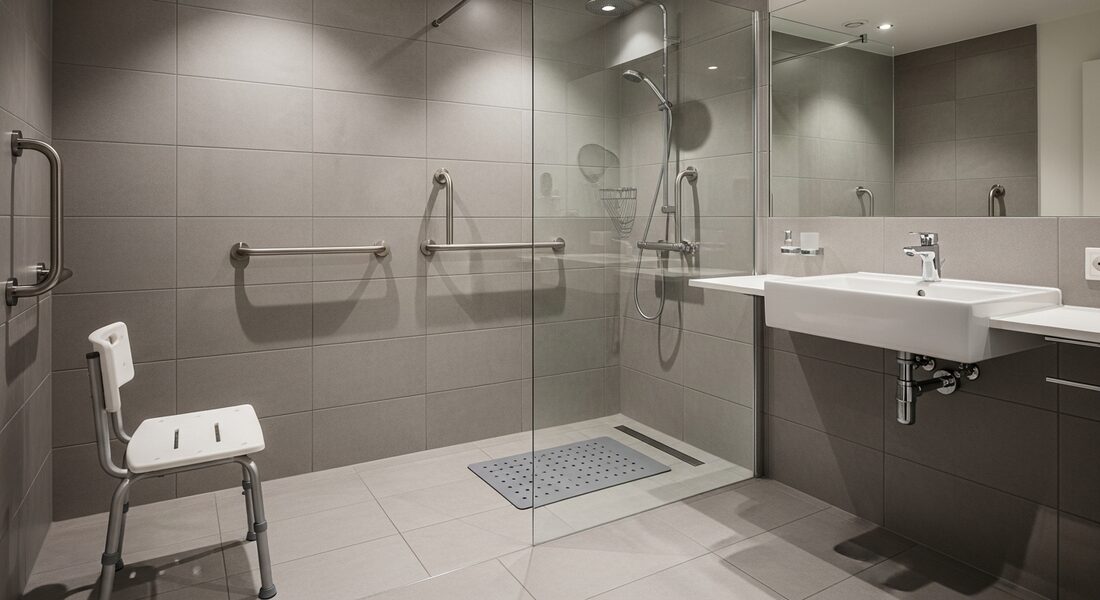
- Shower chair — eliminates balance risk. Use it for the first 6–12 months minimum.
- Professional grab bars — installed into studs, not suction cups. Place one at entry and one at the showerhead wall.
- Non-slip mat with suction cups — covers the tub floor. Replace every 6 months as the suction degrades.
- Handheld showerhead — lets you wash while seated. Game-changer for the chair period.
The setup I used
I installed a stainless steel grab bar at the tub entry and a second one on the wall opposite the showerhead. I used a height-adjustable shower chair with a back and armrests. I added a handheld showerhead on a 6-foot hose. I kept a non-slip mat with 100 suction cups covering the entire tub floor. The total cost was under $150. It was the best $150 I spent in recovery.
Products I recommend now
The exact models matter. A cheap shower chair wobbles. A weak grab bar rips out of drywall. These are the specific products that worked for me and thousands of other survivors.
Height-adjustable with backrest and padded arms. Eliminates balance risk entirely. Also in the Recovery Store.
Check Current Price on Amazon ↗32 oz portable urinals with glow-in-the-dark lids. Eliminates nighttime bathroom trips — the single biggest fall risk window after stroke. Also in the Recovery Store.
Check Current Price on Amazon ↗How to install grab bars properly — the guide no one gives you
Most people buy grab bars and screw them into tile. That is wrong. Tile alone cannot support a person's weight when they slip. A grab bar must be anchored into a stud — the wooden framing member behind the wall. If there is no stud in the right place, you use a heavy-duty toggle bolt rated for 250+ lbs or a specialized grab bar anchor plate.
Placement matters as much as installation. The entry grab bar should be at the height of the top of the tub, angled at 45 degrees toward the person stepping in. This lets you grip it for both lowering and rising. The wall bar should be at the height of your waist when seated, horizontal, within reach of the shower chair without leaning.
If you rent: most landlords will agree to grab bar installation when presented with a letter from a physician or OT documenting medical necessity. The Americans with Disabilities Act requires reasonable accommodations. Some landlords will install them at their cost; others will allow the modification with an agreement to return the wall to original condition. A grab bar hole and a $10 anchor cap is not a restoration problem.
- Find the stud: use a stud finder or the knock method (hollow sound vs. solid)
- Entry bar: at tub-top height, angled 45 degrees, rated for 250+ lbs
- Shower wall bar: horizontal, at seated waist height, within reach of chair
- Use stainless steel or chrome — plastic-coated bars corrode in shower humidity
- Test before first use: hang your full weight on the bar before stepping on a wet surface
My two falls — what happened and what I changed
First fall: month two, reaching for shampoo while standing on a wet surface. No grab bar installed yet. I grabbed the towel bar — it pulled out of the wall — and went down. Bruised ribs, two weeks of setback. Lesson: towel bars are decorative. They will not hold a person.
Second fall: month three, stepping out of the tub with my affected leg first. My knee buckled. I had a suction grab bar that failed when I grabbed it. Head on the tub edge, stitches. Lesson: suction cups are not safe fall-prevention equipment. After that fall, I had two professional bars installed within 48 hours. I have not fallen in the shower since.
Frequently asked questions
How long should I use a shower chair?
Use it until you can stand in the shower for 10 minutes without holding the grab bar. For most survivors, that is 6–12 months. Some use it longer. There is no shame in using it as long as you need it.
Are suction cup grab bars safe?
No. Suction cups can fail without warning, especially on textured tile or when the surface is wet. Only use grab bars installed with screws into wall studs. If you rent, ask your landlord. Medical necessity is a valid reason for installation.
What about walk-in tubs?
Walk-in tubs are expensive and slow to fill and drain. Most survivors are better served by a shower chair + handheld showerhead combo. If you have the budget and the bathroom space, a walk-in shower with a zero-threshold entry is ideal.
Should I shower alone?
In the first 3–6 months, have someone nearby or within earshot. After that, if you have the right equipment and can stand steadily, showering alone is fine. A medical alert bracelet or watch is a good backup for the first year.
Shower Safety Kit
Shower chair, professional grab bars, non-slip mat, and handheld showerhead. The exact setup I used for 6+ years without a single fall.
See shower safety gear on AmazonWant the full recovery blueprint?
My book covers safety protocols, home setup, and the daily routine that kept me independent.
Get the bookStart your recovery free.
Daily routine. AI coach. 66-day challenge. Built by a survivor for survivors.
Create free account