Module 3 · Getting Around

Mobility, Gait & Transfer Equipment for Stroke Recovery

Before you can retrain a stride, you have to survive the in-between — getting out of bed, across a room, into a car. Nobody warns you how much of early recovery is just logistics: how do you get from point A to point B without falling, without a second person always on standby, without feeling like your own house is working against you.

This is the mobility and transfer gear I actually used in the first year after my stroke, from the hemi walker that got me standing again to the grabber reacher I still use today. None of it is glamorous. All of it mattered.

As an Amazon Associate, I earn from qualifying purchases. Every link on this page goes to Amazon and is tagged with my affiliate code — it costs you nothing extra, and it helps fund the free content on this site. I'm a stroke survivor sharing what worked for me, not a doctor or physical therapist. Always clear new equipment with your own care team before adding it to your recovery.

Before You Buy

What To Actually Look For


One-handed friction, not two

If one side of your body doesn't work, a mobility aid built for two working hands is fighting you from day one. Look for hemi-specific designs, not a standard walker you're forcing to work.

Weight capacity and your real weight

Check the rated weight capacity against your actual weight, not a rounded-down guess — this matters more with transfer boards and slings than almost anywhere else.

What your insurance actually covers

Big-ticket items like electric wheelchairs and hospital beds are often partially covered as durable medical equipment (DME). Ask your care team before buying out of pocket.

The Picks

Mobility & Transfers
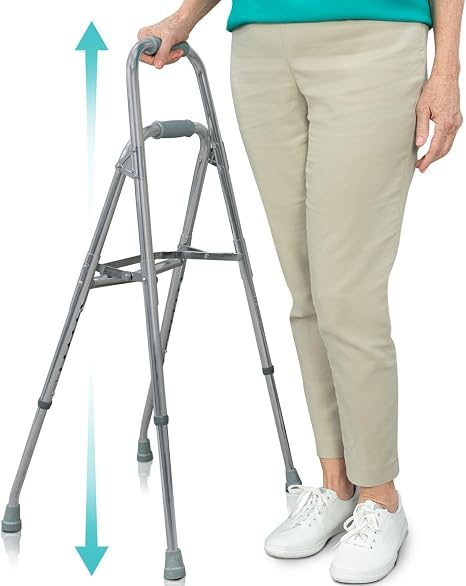

Vive Hemi Walker

Vive Hemi Walker

This is the one I'd tell you to buy first. One-handed, narrow enough for tight doorways, and it doesn't baby you the way a full walker does — it lets you actually load the weak side while it catches you.

Check Price on Amazon
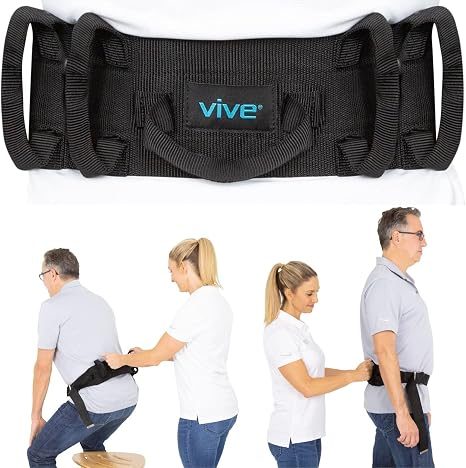
Vive Gait Belt (350 lbs)

Vive Gait Belt (350 lbs)

If someone is helping you stand or walk in the early weeks, this is how they do it safely without grabbing your arm or your waistband. Cheap, sturdy, and it should've come free with the diagnosis.

Check Price on Amazon
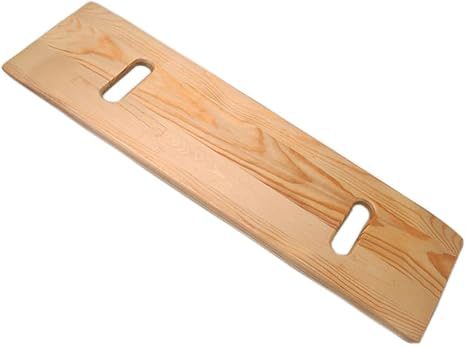
Weybaihe Wood Slide Transfer Board

Weybaihe Wood Slide Transfer Board

Bed to wheelchair, wheelchair to car seat — this is the bridge. Heavy-duty hardwood, cut-out handles so a caregiver can actually grip it. Not fun to need. Very good to have.

Check Price on Amazon
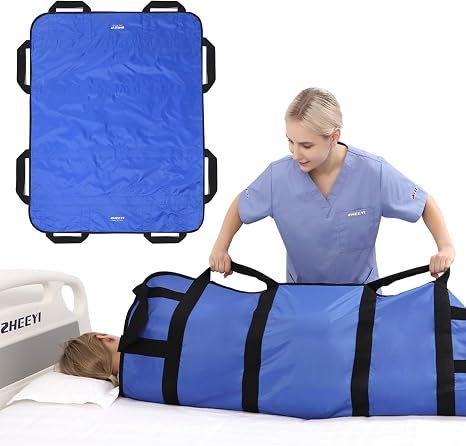
ZHEEYI Positioning Bed Pad with Handles

ZHEEYI Positioning Bed Pad with Handles

For the stretch where you genuinely cannot reposition yourself in bed. Eight reinforced handles so whoever's helping you isn't pulling on your arm to turn you.

Check Price on Amazon
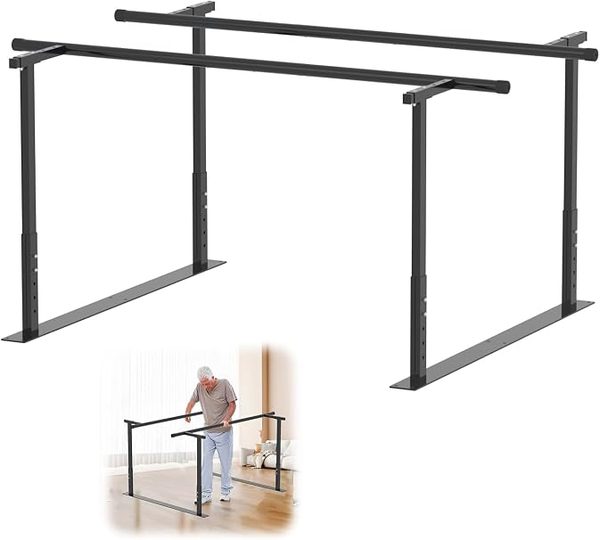
6FT Adjustable Parallel Bar

6FT Adjustable Parallel Bar

A stripped-down version of the parallel bars they stand you up in at PT, sized for a hallway or a bedroom. If you're doing early stand-and-shift work at home, this is the rail.

Check Price on Amazon
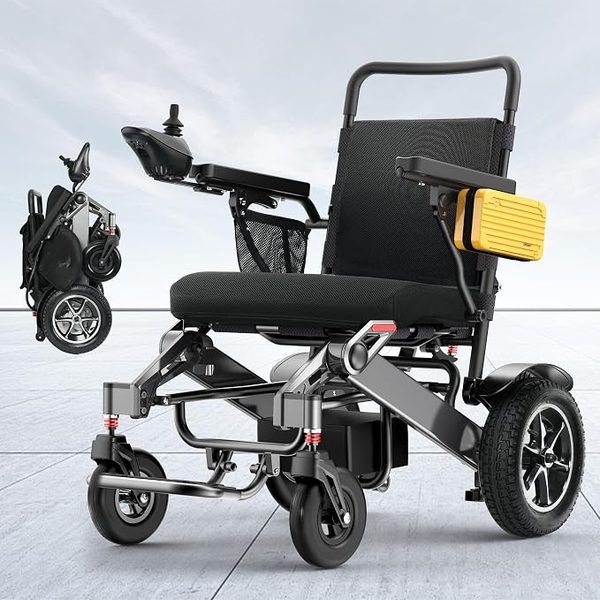
WalkFeel Electric Wheelchair

WalkFeel Electric Wheelchair

I'll be straight with you: this is a newer brand with a thin review history, and an electric chair is a real purchase — talk to your PT about what your insurance will actually cover before you buy one out of pocket. This is the one I looked at when I needed range I couldn't get on foot yet.

Check Price on Amazon
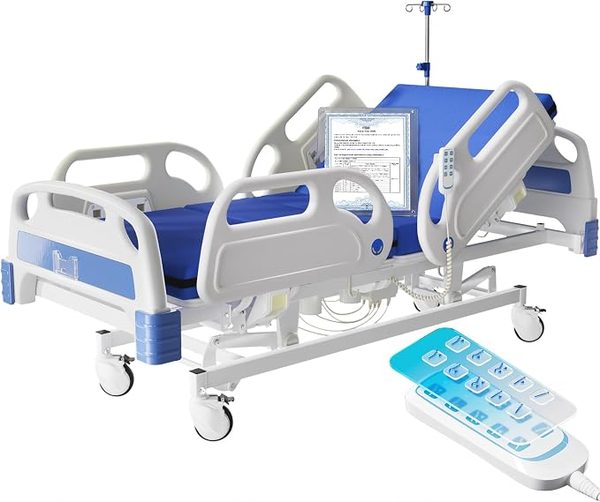
HaiyoHBED Full Electric Hospital Bed

HaiyoHBED Full Electric Hospital Bed

If you're managing recovery at home instead of a facility, an adjustable bed changes everything about getting in and out of it safely. Same caveat as above — check with your insurance and your care team first, this is a big-ticket item.

Check Price on Amazon
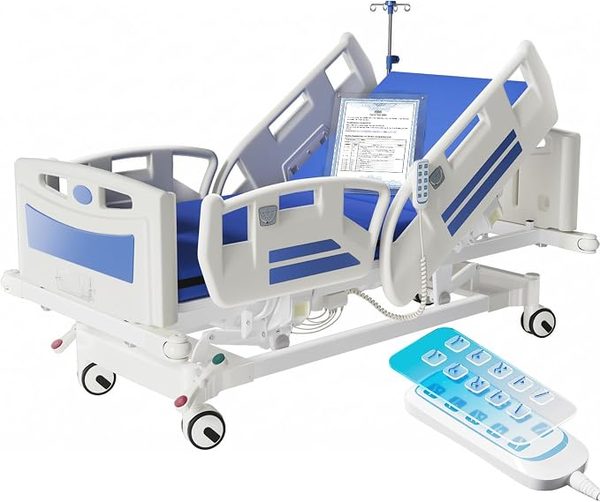
HaiyoHBED 5-Function Pro Electric Bed

HaiyoHBED 5-Function Pro Electric Bed

The step-up version with more adjustment positions. Same use case, same advice: price this against what your insurance covers for DME before you buy.

Check Price on Amazon
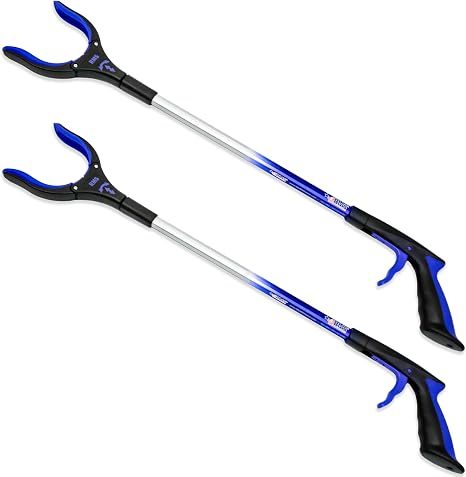
RMS 32" Grabber Reacher (2-Pack)

RMS 32" Grabber Reacher (2-Pack)

The most-used, least-talked-about tool in my whole recovery. One hand works, the floor is suddenly a foreign country — this closes that gap a hundred times a day.

Check Price on Amazon
Frequently Asked

FAQ


What mobility aid should I get first after a stroke?

In my own recovery, a one-handed hemi walker came before anything else — it let me stand and start loading the weak leg safely while a second person was still nearby. A gait belt is the other early essential if someone is helping you stand or walk.

Does insurance cover stroke mobility equipment?

Often, yes, at least partially — items like wheelchairs, hospital beds, and walkers frequently qualify as durable medical equipment (DME) under Medicare and many private insurers. Always check with your care team and insurer before buying big-ticket items out of pocket.

What's the difference between a hemi walker and a standard walker?

A standard walker assumes two working hands and symmetrical weight-bearing. A hemi walker is built to be used one-handed on the strong side, which is what most stroke survivors with one-sided weakness actually need.