Pain, swelling, and circulation problems on the affected side are real and nobody warns you about them. Under-used limbs lose circulation efficiency fast, and the compensating muscles on the strong side take on a beating of their own.
This is the stim and recovery tech I leaned on between PT sessions. A real caveat up front: always check with your care team before adding electrical stimulation to your own routine, especially early after a stroke.
As an Amazon Associate, I earn from qualifying purchases. Every link on this page goes to Amazon and is tagged with my affiliate code — it costs you nothing extra, and it helps fund the free content on this site. I'm a stroke survivor sharing what worked for me, not a doctor or physical therapist. Always clear new equipment with your own care team before adding it to your recovery.
TENS units target pain signals; EMS units cause muscle contraction for strengthening. Many budget units now do both, but understand which mode you're actually using and why.
If swelling in the affected leg is part of your picture, look specifically for sequential compression, not just a vibration massager — they solve different problems.
E-stim isn't appropriate for everyone or every stage of recovery. This is the one category on this whole site where I'd tell you to ask before you buy, not after.
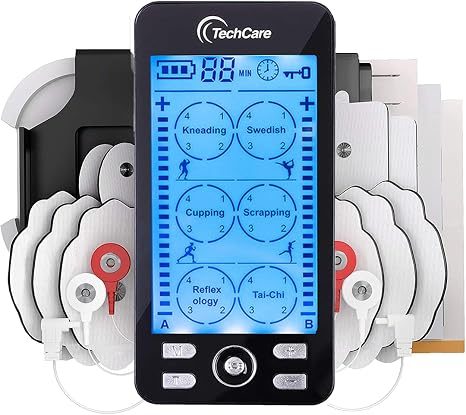
35,000+ ratings and it comes with more than just the pads — the massage slippers and belt actually get used. A genuinely complete kit for the price.
Check Price on Amazon
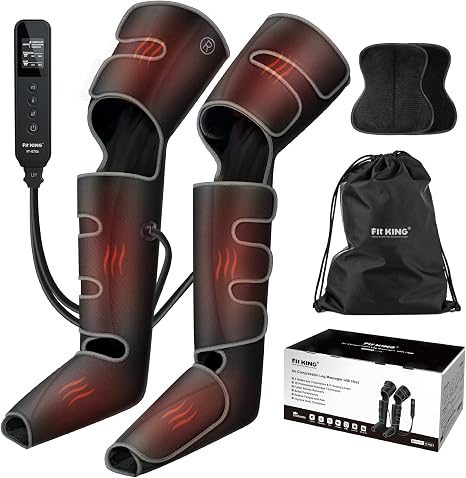
For the swelling and circulation issues that show up in the weak leg from under-use. Heat plus sequential compression, FSA/HSA eligible.
Check Price on Amazon
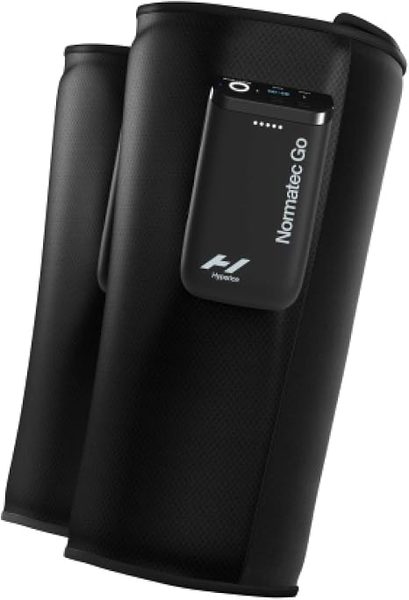
The premium pick in this category — a real brand built for serious recovery, scaled down to a portable calf sleeve. If you want one "splurge" item here, this is it.
Check Price on Amazon
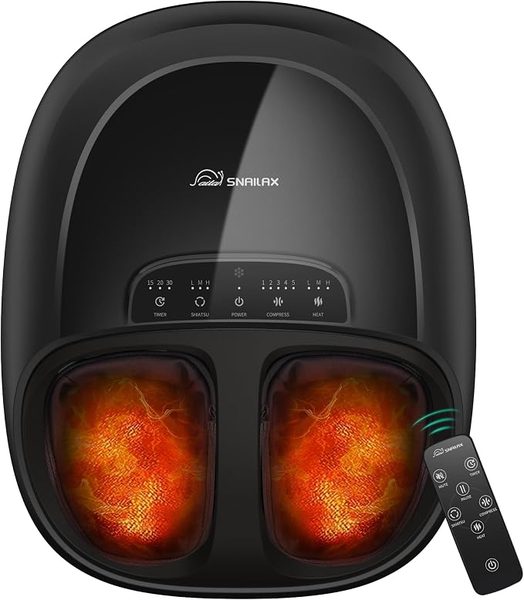
For the end of a hard rehab day when the good leg is doing double duty and needs its own recovery too.
Check Price on Amazon
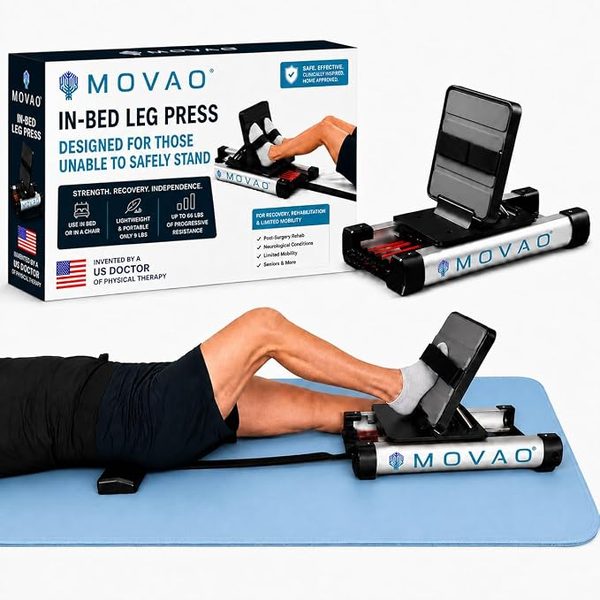
Doctor-designed specifically for stroke and post-surgery patients who need resistance work from bed, a chair, or a wheelchair. Six resistance levels, nine pounds, zero excuses about mobility.
Check Price on AmazonFor most people, yes, when used as directed for pain relief in muscles and joints — but stroke recovery involves individual factors your care team should weigh in on, especially regarding placement and any other implanted devices. Ask before starting.
Reduced movement and muscle pump activity on the affected side can lead to fluid pooling and swelling. Sequential compression devices and regular movement both help; persistent or sudden swelling should always be checked by a doctor to rule out clots.